The downsides to having any sort of brand identity exists an opportunity for that brand identity to be copied. Physical goods fall victim to this all the time when products are immitated with goods which are of inferior quality having a companys name,sign, symbol or logo attached to it in order to deceive the end user. These tactics are usually easily identified due to the nature of the inferiority of the counterfiet products and the visual quality.

However in an age where companies are utilising the internet to communicate their brands through websites and more recently, social mediums such as facebook and twitter, the risk of immitating or spoofing becomes a much bigger threat. The ease and power of technology allows just about anyone to set up a website, send an email, and effectively communicate a message. When a company's identity is frauduently used in order to create a 'fake' website or email with the intent to deceive and obtain personal information, it's called phishing.
Phishing has become a big problem for companies lately, especially those who deal with accounts and personal information such as financial institutions. More recently in Australia, about 50 Westpac customers fell victim to a phishing scam by divulging their account numbers and passwords to online fraudsters. They were sent emails with a link which diverted them to a phony Westpac website which elaoborately contained a Westpac symbol and the words "monthly security check". Luckily the bank's security system detected the fraudulent email and website and the scam was reported to police. The comprimised online accounts had been temporarily locked to block any illegal transactions while account holders had been telephoned to alert them of the scam.

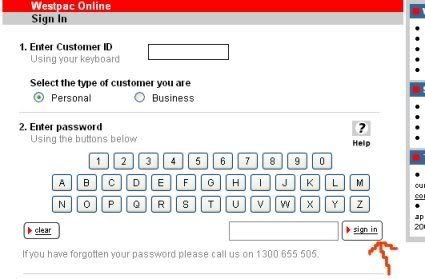
Currently there are lots of measures to prevent phishing through inbuilt security checks in web browsers and email services to filter out suspected fraudulent emails. Most financial institutions stress the importance of vigilance when dealing with online emails and state they never ask for personal information over the internet.
Do you guys think enough is being done to counteract phishing? Do you think people are educated enough about these sort of risks? As many older people are starting to use the internet who may not be as technologically aware as others, do you think some sort of formal education should be brought to light? I'd like to hear what you think.

IT's quite hard to conduct a formal education!!! Once we complete it it may out of dates...The quickest way is Word Of Mouth.
ReplyDeleteLife is all about Tips, Trick and Cheats isn't it....so grap as many tips as u have to save your self.
I think that although there are an increase in people using the internet to do their online banking, purchase products/services etc, there are still those who avoid the internet because of security reasons and (as you mentioned)phishing is being used. I think that for those who aren't really technologically savvy should have a class available to them and companies who conduct their business online should make their customers aware of these problems
ReplyDeleteI think that most of us are aware of the techniques used by phishing scammers these days, but there'll always be a handful that are caught out. I agree, it should be the responsibility of the banks to make their customers aware of the risks.
ReplyDelete